Vitamin D Deficiency: How Is It Tested and What Do Results Mean?
Deficiency cannot be judged from symptoms alone. The 25-hydroxyvitamin D test, reference levels from the US National Academies (IOM 2011) and MedlinePlus, who is at risk in Saudi Arabia, and MOH advice on sunlight.
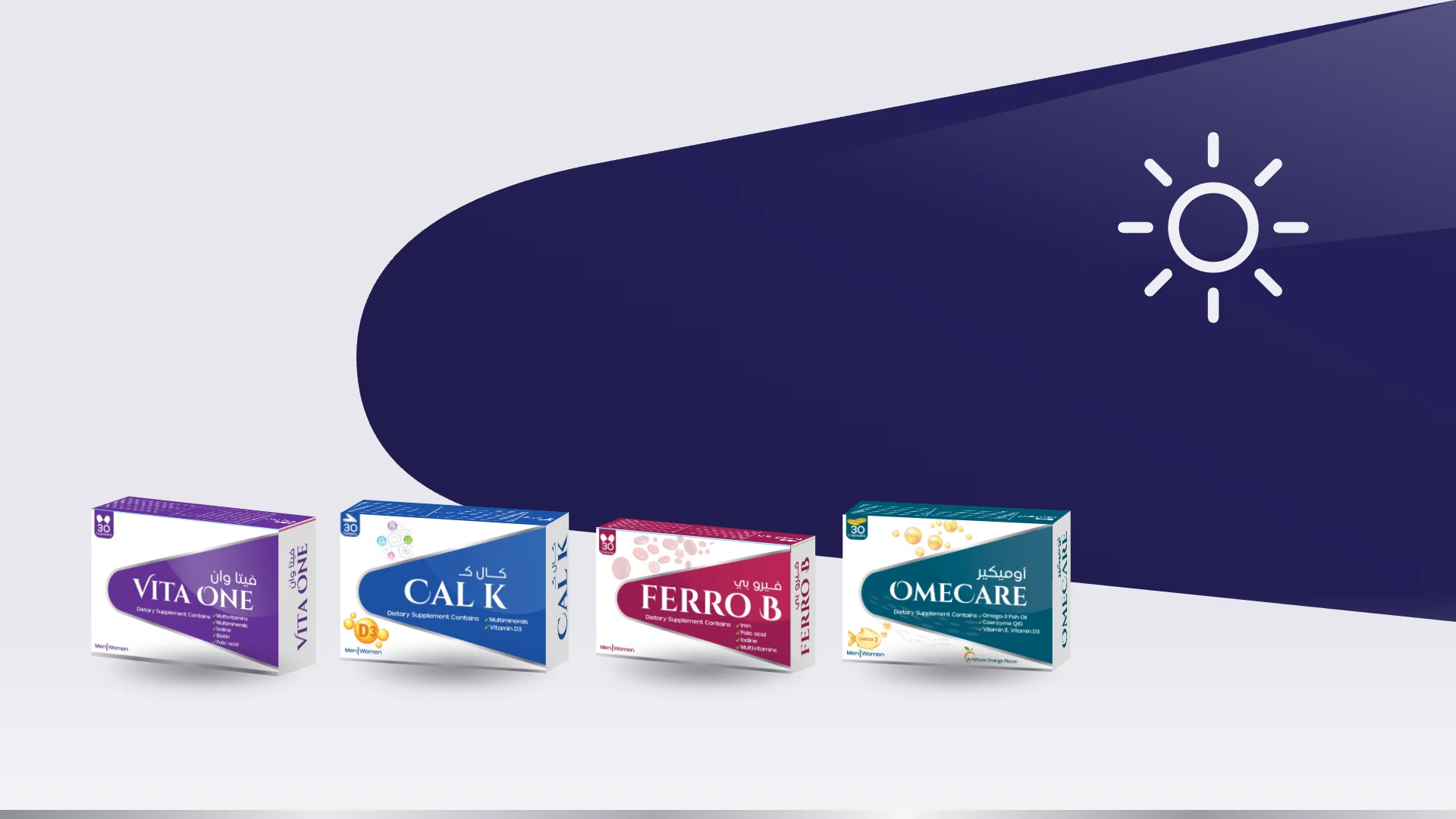
In this article
- What does “vitamin D deficiency” mean?
- Which symptoms do people read about?
- How is vitamin D measured? The 25-OH test
- What is a normal vitamin D level?
- Who is most at risk in Saudi Arabia?
- Sun and food: what official sources say
- Where is vitamin D3 in Dawaak products?
- Before you see your doctor
- For pharmacies and distributors
- Frequently asked questions
- Sources
Vitamin D deficiency is one of the most searched health topics in Saudi Arabia, usually followed by questions such as “what is the normal vitamin D level?” and “do I need to fast for the test?”. The short answer: a deficiency cannot be identified from symptoms alone. It is measured with a blood test called 25-hydroxyvitamin D, and your doctor reads the result and decides what, if anything, you need. This guide brings together what official health sources say about symptoms, the test and the reference ranges, who is most at risk in the Kingdom, and where vitamin D3 appears in Dawaak products.
What does “vitamin D deficiency” mean?
Vitamin D is needed for the body to handle calcium. MedlinePlus, from the US National Library of Medicine, states that vitamin D helps your body absorb calcium, and the UK’s NHS says it helps regulate the amount of calcium and phosphate in the body.
When someone is told they “have a vitamin D deficiency”, it normally means their blood level, as shown by a laboratory test, is below a reference value. In other words, deficiency is a lab finding that a doctor interprets, not a feeling or a single symptom.
For the difference between vitamin D and D3, or converting micrograms to international units, see our article Vitamin D3: Why Is It in All Four of Our Products?. We do not repeat it here.
Which symptoms do people read about?
MedlinePlus says a provider may order a vitamin D test for someone diagnosed with a bone condition that may be linked to vitamin D deficiency, such as osteomalacia, osteoporosis or rickets. The signs and symptoms it says may be linked to deficiency include:
- Bone pain.
- Muscle weakness or aches.
- Soft or deformed bones.
- Weak bones and fractures.
The NHS adds that a lack of vitamin D can lead to bone deformities such as rickets in children, and to bone pain caused by a condition called osteomalacia in adults.
Why symptoms are not enough
These symptoms are general and can have many causes. MedlinePlus also notes that low levels may weaken bones even without symptoms. Popular searches such as “does vitamin D deficiency cause hair loss” or “dizziness” are not among the symptoms listed on the MedlinePlus and NHS pages we reviewed for this article. Either way, linking a symptom to its cause is your doctor’s job.
Too much vitamin D has symptoms too
According to MedlinePlus, too much vitamin D from supplements can show up as nausea and vomiting, poor appetite, constipation, muscle weakness and weight loss. That is a good reason not to raise your intake on your own just because you suspect a deficiency.
How is vitamin D measured? The 25-OH test
The test is called 25-hydroxyvitamin D, abbreviated 25(OH)D, and may appear on a lab report simply as “Vitamin D Test”. It needs a blood sample.
Do I need to fast for a vitamin D test?
The MedlinePlus test page says no special preparation is needed. The MedlinePlus encyclopedia adds that you usually do not need to fast, though this depends on the laboratory and the method, so follow any instructions the lab gives you. MedlinePlus also asks you to tell your provider about every medicine, vitamin and supplement you take, and not to stop any medicine unless your provider tells you to.
Does everyone need the test?
According to MedlinePlus, screening all adults, even during pregnancy, for low vitamin D is generally not recommended. Testing is aimed at people at higher risk, including:
- People over 65.
- People with obesity or who have had weight-loss surgery.
- People taking certain medicines, such as phenytoin.
- People with osteoporosis.
- People with little sun exposure.
- People with intestinal absorption problems, such as ulcerative colitis, Crohn disease or celiac disease.
Your doctor decides whether you need it.
What is a normal vitamin D level?
This is the question most people ask once the result arrives. Answering it takes two steps: check the unit on your report, then check which reference it is being compared with.
ng/mL or nmol/L?
Results are reported either in nanograms per millilitre (ng/mL) or nanomoles per litre (nmol/L). The conversion: 1 ng/mL equals 2.5 nmol/L. So 20 ng/mL is the same as 50 nmol/L. Look at the unit before the number.
What the US National Academies say (IOM 2011)
The 2011 Institute of Medicine (IOM) report from the US National Academies classifies blood 25(OH)D levels as follows (ng/mL values converted from nmol/L):
| nmol/L | ng/mL | Meaning (US National Academies, IOM 2011) |
|---|---|---|
| Below 30 | Below 12 | At risk of vitamin D deficiency relative to bone health |
| 30 to 50 | 12 to 20 | Potentially inadequate for some people |
| 50 or more | 20 or more | Sufficient for practically all people |
| Above 125 | Above 50 | May be reason for concern |
Why you may see other numbers
Not every reference agrees. The MedlinePlus encyclopedia says many experts recommend a level of 30 to 80 ng/mL (75 to 200 nmol/L), adds that normal ranges may vary slightly between laboratories, and says your provider should interpret the result and tell you whether you need a supplement. The MedlinePlus test page describes results in four bands: deficient, insufficient, sufficient or optimal, and toxic or possibly toxic.
In short: compare your number with the range printed on your own lab report, and discuss it with your doctor. Do not judge yourself against a single figure found online.
Who is most at risk in Saudi Arabia?
Many people are surprised that vitamin D deficiency is common in such a sunny country. The point is that sunshine outside is not the same as sunlight on the skin: the body makes vitamin D when sunlight reaches the skin directly.
A study in the Saudi Medical Journal
A study published in the Saudi Medical Journal in 2013 measured vitamin D in 488 healthy Saudi adults recruited at screening camps in Riyadh in 2008. In that sample, 29% were in the deficiency group and 22.7% in the relative insufficiency group. The authors concluded that vitamin D deficiency is common in healthy Saudi adults, more pronounced in women and younger age groups, and that wearing traditional clothes, deliberate avoidance of the sun and inadequate dietary intake are likely to be the principal causes. These figures come from one sample in one city and do not represent the whole country.
What the NHS and MedlinePlus say
The NHS lists people who may not get enough vitamin D from sunlight, including those who:
- Are not often outdoors, for example frail or housebound people.
- Live in an institution such as a care home.
- Usually wear clothes that cover most of their skin when outdoors.
- Have dark skin.
MedlinePlus adds these causes of low levels: little sun exposure on the skin, darkly pigmented skin, consistent use of high-SPF sunscreen, too little vitamin D in the diet, liver and kidney disease, poor food absorption, certain medicines (including phenytoin, phenobarbital and rifampin), and poor absorption due to older age, weight-loss surgery or conditions in which fat is not absorbed well.
Think of a typical day for many people, from office work to spending the hottest hours indoors or in the car, and several of these factors can come together, which fits the “sun avoidance” the Saudi study described. Having a risk factor is not the same as having a deficiency, though. Only the test shows that.
Sun and food: what official sources say
Sunlight, according to the Saudi Ministry of Health
On its awareness page about sunburn, the Saudi Ministry of Health describes the sun as one of the most important natural sources of health benefits, including vitamin D production, and warns that unhealthy sun exposure in order to make vitamin D can cause sunburn. It advises that when you go into the sun for vitamin D, 10 to 15 minutes is enough, at times when the sun and the heat are not intense, and that long periods in the sun during very hot times should be avoided.
Food
The NHS lists food sources of vitamin D: oily fish, red meat, egg yolks, liver and fortified foods such as some breakfast cereals. It also says pregnant women should avoid liver. Few foods are naturally rich in vitamin D, which is why the question of supplements comes up, and your doctor decides whether you need one and how much.
Supplements
Supplement labels state vitamin D in micrograms or international units, and adults have a daily upper limit that should not be exceeded without medical supervision. We cover the conversion and the upper limit in detail in our vitamin D3 article.
Where is vitamin D3 in Dawaak products?
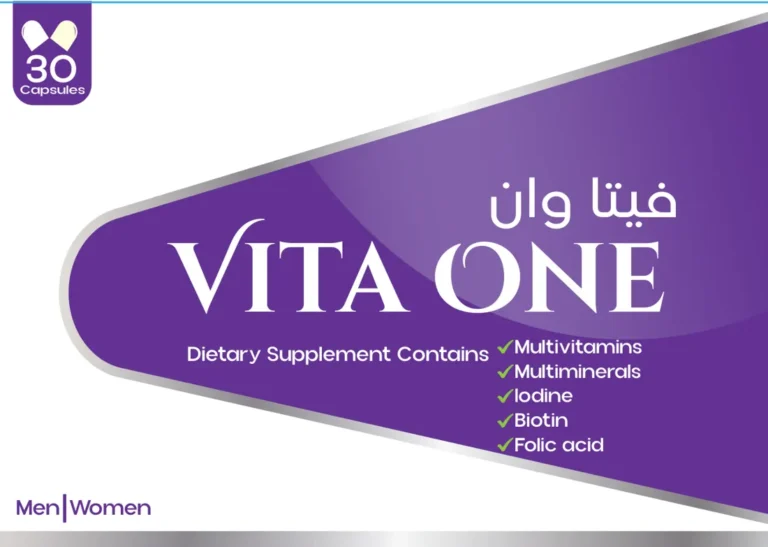
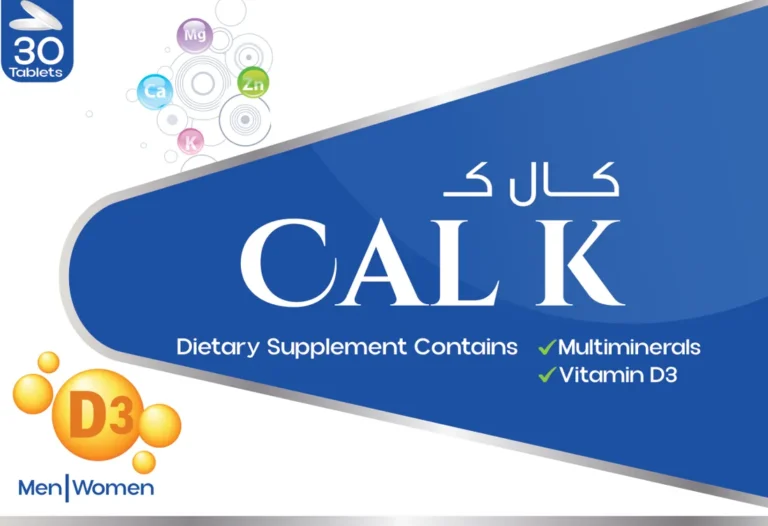
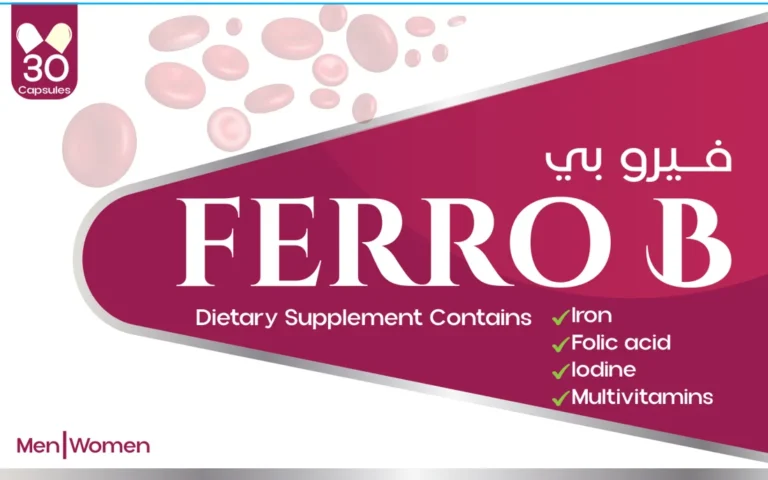
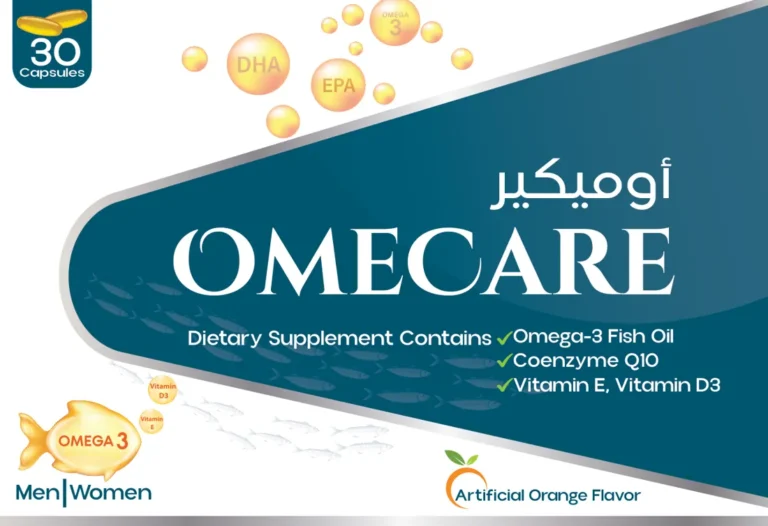
Vitamin D3 (cholecalciferol) is in all four Dawaak products. The amounts on the nutrition panels are: 10 mcg per Vita One capsule, 10 mcg per Cal K serving (2 film-coated tablets), 5 mcg per Ferro B capsule and 10 mcg (400 IU) per OmeCare soft capsule. The full table is in our vitamin D3 article.
The vitamin D3 wording shared by all four boxes, as printed on Vita One:
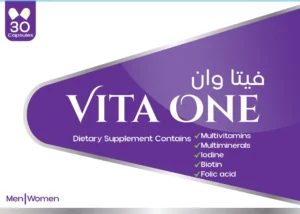
Dawaak products are food supplements with these fixed amounts. They are not a substitute for the plan your doctor makes after reading your test. If your result is low, your doctor decides what you need, in what form and for how long.
Before you see your doctor
- Bring the lab report and note the unit (ng/mL or nmol/L) and the lab’s reference range.
- List every supplement you use and the vitamin D in each, because amounts add up.
- Mention every medicine you take, since some affect vitamin D levels according to MedlinePlus, and do not stop any medicine on your own.
- Describe your routine: time spent outdoors in daylight, the clothes you usually wear and your diet.
For pharmacies and distributors
Vitamin D3 is common to all four Dawaak products, made in Saudi Arabia. We supply pharmacies and distributors by the box or by the carton with no minimum order, and deliver to every region of the Kingdom. When you ask, we contact you within 2 to 24 hours and send you a written quote. Request yours on the For pharmacies and businesses page or email info@dawaak.com.
Frequently asked questions
What is a normal vitamin D level?
According to the US National Academies (IOM 2011), 50 nmol/L (20 ng/mL) or more is sufficient for practically all people, and below 30 nmol/L (12 ng/mL) means a risk of deficiency. MedlinePlus notes that many experts recommend 30 to 80 ng/mL. Ranges vary slightly between labs, and your doctor interprets your result.
Do I need to fast before a vitamin D test?
According to MedlinePlus, usually not, and no special preparation is needed, but this depends on the laboratory and method, so follow the lab’s instructions.
What is the vitamin D blood test called?
25-hydroxyvitamin D, written 25(OH)D. It may appear on a report as “Vitamin D Test”.
Why is vitamin D deficiency common in Saudi Arabia despite the sun?
The body makes vitamin D when sunlight reaches the skin directly. A 2013 Saudi Medical Journal study of adults in Riyadh concluded that traditional clothing, deliberate sun avoidance and inadequate dietary intake are the likely principal causes.
How long should I be in the sun for vitamin D?
The Saudi Ministry of Health says 10 to 15 minutes is enough, at times when the sun and heat are not intense, and advises against long periods in the sun when it is very hot.
Sources
Show the sources (8)
- MedlinePlus (US National Library of Medicine): Vitamin D Test
- MedlinePlus: 25-hydroxy vitamin D test
- US National Academies, Institute of Medicine (IOM 2011): Dietary Reference Intakes for Calcium and Vitamin D, Summary
- NHS: Vitamin D
- MedlinePlus: Calcium, vitamin D, and your bones
- Saudi Ministry of Health: Sunburns (Arabic)
- Alsuwadia AO et al. Prevalence of vitamin D deficiency in Saudi adults. Saudi Med J 2013;34(8):814-818
- Box text and nutrition facts panels of Vita One, Cal K, Ferro B and OmeCare.
Registration numbers: Vita One FOP-240226-74229 · Cal K FOP-120226-60037 · Ferro B FOP-120226-60009 · OmeCare FOP-100226-55838.
This article is general education and does not replace a medical diagnosis. Food supplements are not a substitute for a balanced diet and a healthy lifestyle. Use after consulting a doctor, and do not exceed the recommended daily dose.
Keep reading
More articles
 Ingredients
Folic Acid Before Pregnancy: What Does the Box Say?
How much folic acid, and when to start before pregnancy? Official guidance from the Saudi MOH and WHO, compared with the Ferro…
 Ingredients
Vitamin D3: Why Is It in All Four of Our Products?
Vitamin D3 appears in all four Dawaak products in different amounts. What it is, how to read mcg and IU, and what…