Multivitamins: What They Are and How to Read 20 Ingredients
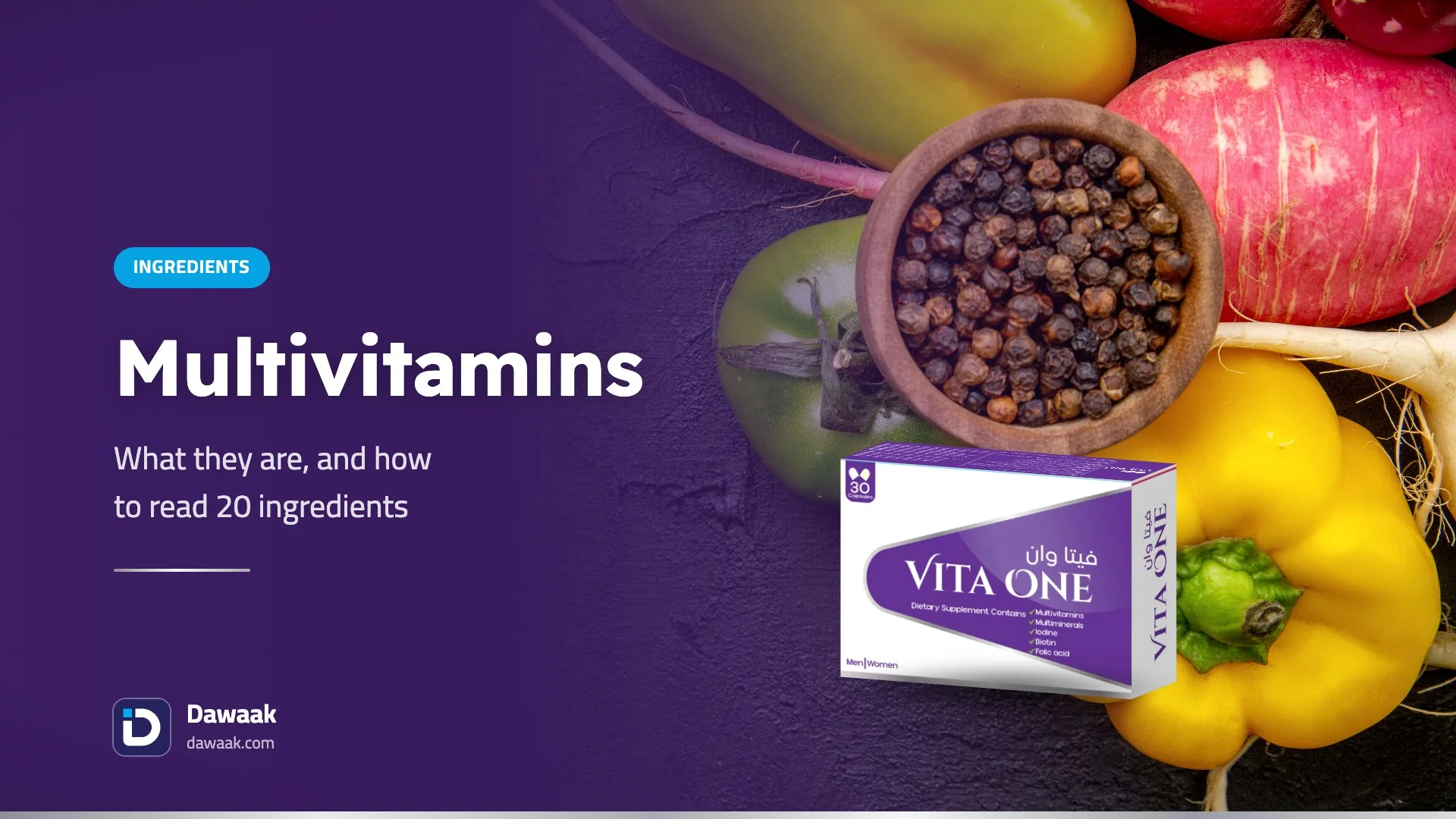
Food first, and the doctor decides. What a multivitamin is, how to read the 20 vitamins and minerals in a Vita One capsule, and why amounts add up across supplements.
In this article
A multivitamin is a supplement that combines several vitamins, and often minerals, in a single serving, usually a capsule or tablet. Health authorities are clear that a balanced diet comes first and that a supplement is an extra option when food falls short, with a doctor deciding whether you need one. This guide covers what a multivitamin is, what official sources say about who needs one, how to read a list of 20 vitamins and minerals, what the Vita One box says word for word, and what to watch when you combine supplements.
What is a multivitamin?
“Multivitamin” simply means several vitamins in one product. Many also include minerals and are labelled “multivitamins and multiminerals”. These products vary widely in how many ingredients they contain and in what amounts, so the name alone tells you little. The way to compare two products is the nutrition facts panel.
MedlinePlus, from the US National Library of Medicine, defines vitamins as a group of substances needed for normal cell function, growth and development. Minerals such as calcium, iron and zinc are other nutrients usually listed in the same panel.
Water-soluble and fat-soluble vitamins
The Saudi Food and Drug Authority (SFDA) divides vitamins into two types:
- Water-soluble: the B vitamins and vitamin C. The SFDA notes the body does not store them but excretes the excess, and that a large part is lost in cooking, so they need to be eaten regularly.
- Fat-soluble: vitamins A, D, E and K. The SFDA notes the excess is not excreted but stored in fatty tissue and the liver, and that too much can lead to toxicity.
MedlinePlus counts four fat-soluble vitamins (A, D, E and K) and nine water-soluble ones (vitamin C and all the B vitamins). The distinction is a good reason to stick to the dose printed on any multivitamin.
Does everyone need a multivitamin?
Not necessarily. Here is what official sources say:
- SFDA: people need vitamins in tiny amounts and can meet their daily needs through a balanced diet without supplements. Recommended amounts vary by a person’s situation and group: men, women, pregnant women, breastfeeding women and children.
- MedlinePlus: the best way to get all the daily vitamins you need is a balanced diet; supplements are another way if your food is not supplying enough.
- NHS: most people should get all the nutrients they need from a varied and balanced diet, although some people may need extra supplements.
One example of an official supplement recommendation: the Saudi Ministry of Health advises women trying to conceive to take 400 micrograms of folic acid daily as a supplement until week 12 of pregnancy. That is a recommendation for a single nutrient, not for any particular multivitamin. See our guide to folic acid before pregnancy.
The bottom line: food first, and your doctor decides whether you need a supplement, which one and how much.
How to read a list of 20 vitamins and minerals
The Vita One panel is calculated per serving of 1 capsule (1.1 g), with 30 servings per container. Here are the 20 ingredients as printed on the box, split into vitamins and minerals for easier reading.
Vitamins (12)
| Vitamin | Form in the ingredients list | Per capsule | RDA% |
|---|---|---|---|
| Vitamin C | Coated Ascorbic Acid 97% | 100 mg | 100% |
| Vitamin B3 | Niacin | 16 mg | 107% |
| Vitamin E | DL-Alpha-Tocopheryl Acetate | 10 mg | 111% |
| Vitamin B5 | D-Calcium Pantothenate | 5 mg | 100% |
| Vitamin B6 | Pyridoxin Hydrochloride | 1.7 mg | 131% |
| Vitamin B2 | Riboflavin | 1.3 mg | 108% |
| Vitamin B1 | Thiamine Hydrochloride | 1.2 mg | 100% |
| Folic acid | Folic acid | 400 mcg | 100% |
| Vitamin K2 | Menaquinone | 90 mcg | 150% |
| Biotin | D-biotin | 30 mcg | 100% |
| Vitamin D3 | Cholecalciferol | 10 mcg | 67% |
| Vitamin B12 | Cyanocobalamin | 2.2 mcg | 92% |
Minerals (8)
| Mineral | Form in the ingredients list | Per capsule | RDA% |
|---|---|---|---|
| Calcium | Calcium Carbonate | 100 mg | 10% |
| Magnesium | Magnesium Oxide | 100 mg | 32% |
| Zinc | Zinc Citrate Dihydrate | 10 mg | 71% |
| Iron | Ferrous Fumarate | 10 mg | 45% |
| Manganese | Manganese Sulfate Monohydrate | 2.3 mg | 77% |
| Copper | Copper Gluconate Anhydrous | 900 mcg | 100% |
| Iodine | Potassium Iodide | 50 mcg | 33% |
| Selenium | Sodium Selenite | 55 mcg | 92% |
Three things to notice
- Units: some ingredients are in milligrams (mg), others in micrograms (mcg), and 1 mg = 1,000 mcg. So 900 mcg of copper is less than 1 mg.
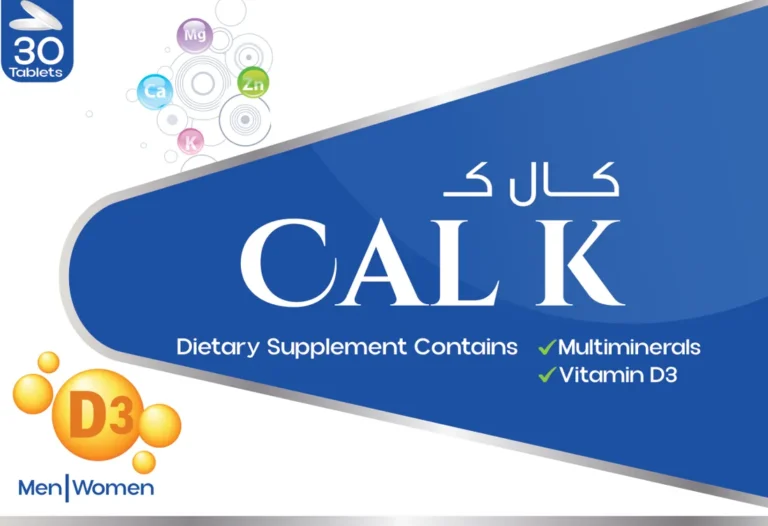
- Percentages: they compare the amount with a daily reference value; they are not an upper limit. Calcium is 10% in Vita One (100 mg), while vitamin K2 is 150%. For comparison, calcium is the main ingredient in Cal K (500 mg per serving).
- What is not there: the panel contains no vitamin A. Of the fat-soluble vitamins, Vita One contains D3, E and K2.
For a fuller explanation of serving size, percentages and units, read our guide on how to read a supplement label.
What does the Vita One box say?
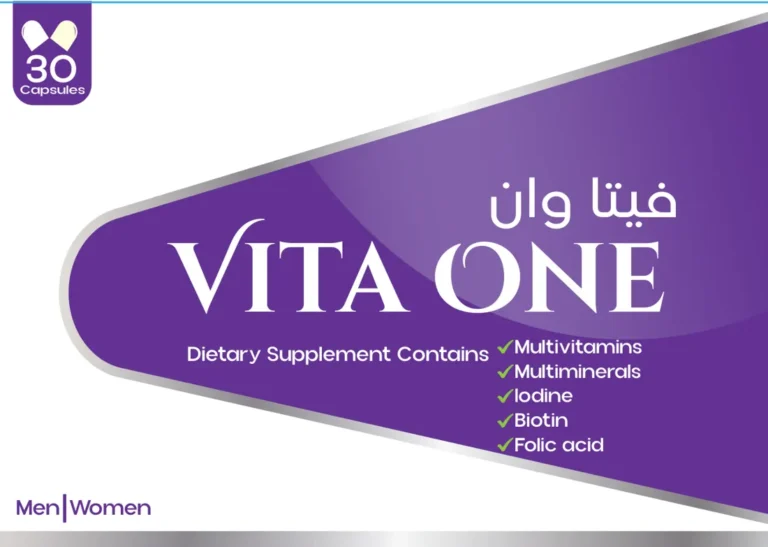
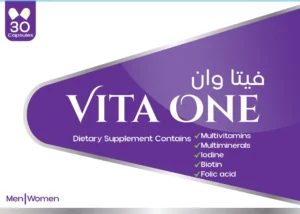
Vita One: 20 vitamins and minerals in one capsule, including iodine, biotin and folic acid. The box text:
Contents and directions
On the box · Vita One
Product page →“Dietary Supplement Contains: Multivitamins, Multiminerals, Iodine, Biotin, Folic acid”
“For Adults: 1 Capsule daily or as recommended by a Physician.”
“Men | Women”
The box holds 30 capsules, which is one daily serving for 30 days following the printed directions.
What the box says about the ingredients
- Vitamin D3: “Contributes to maintaining normal blood Calcium levels.”
- Vitamin B12 & B6: “Contribute to the normal function of the nervous system and they help reduce fatigue and exhaustion.”
- Vitamin K2: “Contributes to normal blood clotting.”
- Vitamin E: “Contributes to protecting cells from oxidation.”
- Copper: “Contributes to the normal function of the immune system.”
- Magnesium: “Contributes to balancing electrolyte elements.”
- Zinc: “Contributes to the maintenance of normal bones, hair and nails.”
- Selenium: “Contributes to normal Thyroid function.”
- Iron: “Contributes to the normal formation of red blood cells and hemoglobin.”
- Iodine: “Contributes to the normal production of Thyroid hormones and normal function of the Thyroid gland.”
- Biotin: “Contributes to the maintenance of normal hair.”
Precautions
On the box · Vita One
Product page →“Consult your doctor before use.”
“You should consult a doctor if you are allergic to any of the product’s ingredients or you are taking other medications.”
“Do not exceed the recommended daily dose.”
“Consult a health care provider / doctor prior to use if you are taking blood thinners.”
The last precaution relates to the vitamin K2 in Vita One. The box also states: “Food supplements are not a substitute for a healthy diet. Following a balanced and varied diet is important.”
Can you take a multivitamin with iron or other supplements?
This is one of the most searched questions. The key point is that amounts add up: if two supplements contain the same nutrient, your daily intake is the total of both, plus what is in your food.
Vita One with Ferro B
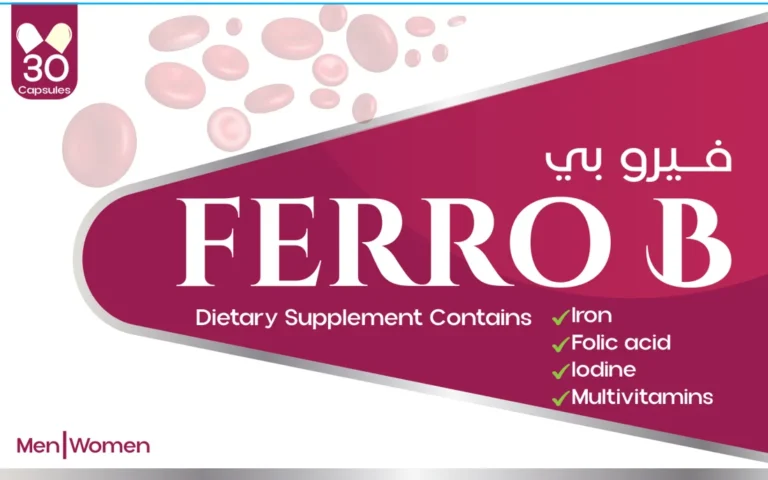
Ferro B contains iron, folic acid, iodine and multivitamins, and all seven of its active ingredients are also in Vita One. Here are the totals if both are used, from the two panels (our arithmetic):
| Ingredient | Vita One (1 capsule) | Ferro B (1 capsule) | Total |
|---|---|---|---|
| Iron | 10 mg | 30 mg | 40 mg |
| Folic acid | 400 mcg | 400 mcg | 800 mcg |
| Iodine | 50 mcg | 100 mcg | 150 mcg |
| Vitamin C | 100 mg | 100 mg | 200 mg |
| Vitamin B6 | 1.7 mg | 1 mg | 2.7 mg |
| Vitamin B12 | 2.2 mcg | 1.75 mcg | 3.95 mcg |
| Vitamin D3 | 10 mcg | 5 mcg | 15 mcg |
So do not combine Vita One and Ferro B, or any two supplements, until your doctor has reviewed the full list and decided what suits you.
With Cal K or OmeCare
- Cal K shares calcium, magnesium, zinc and vitamin D3 with Vita One. Note that the Cal K panel is per serving of 2 film-coated tablets, while its directions are one tablet daily.
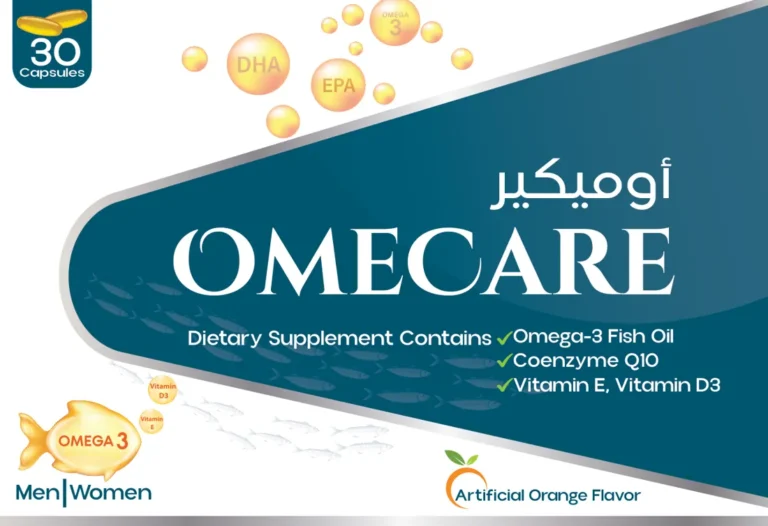
- OmeCare shares vitamin D3 (10 mcg in each) and vitamin E (6.75 mg in OmeCare, 10 mg in Vita One).
Vitamin D3 is in all four products; see our vitamin D3 guide.
For pharmacies and distributors
Vita One is one of the four Dawaak products made in Saudi Arabia. There is no minimum order: buy by the box or by the carton, with delivery to all regions of Saudi Arabia. Send your request through For pharmacies and businesses or to info@dawaak.com, and we contact you within 2 to 24 hours and send you a written quote.
Frequently asked questions
When should I take a multivitamin?
The Vita One box does not specify timing with meals or time of day. The directions read: “For Adults: 1 Capsule daily or as recommended by a Physician.” Your doctor can advise on timing.
Can I take a multivitamin with iron tablets?
If the multivitamin contains iron, as Vita One does (10 mg per capsule), adding another iron supplement means the amounts add up. Vita One with Ferro B gives 40 mg iron and 800 mcg folic acid. Do not combine them without consulting your doctor.
Can I take a multivitamin with omega-3?
We found no statement on this specific combination in the official sources we reviewed. Vita One and OmeCare do share vitamin D3 and vitamin E, so those amounts add up. Show your doctor your full supplement list before starting.
Is Vita One for men or women?
The box is labelled Men | Women, for adults.
Can a multivitamin replace a healthy diet?
No. The SFDA says daily vitamin needs can be met through a balanced diet, and the Vita One box itself states: “Food supplements are not a substitute for a healthy diet.”
Sources
Show the sources (5)
- Saudi Food and Drug Authority: people need vitamins in small amounts and can get them through a balanced diet (Arabic)
- MedlinePlus (US National Library of Medicine): Vitamins
- NHS: Vitamins and minerals
- Saudi Ministry of Health: Pre-pregnancy planning (Arabic)
- Box text and nutrition facts panels of Vita One, Ferro B, Cal K and OmeCare.
Registration numbers: Vita One FOP-240226-74229 · Ferro B FOP-120226-60009 · Cal K FOP-120226-60037 · OmeCare FOP-100226-55838.
Food supplements are not a substitute for a balanced diet and a healthy lifestyle. Use after consulting a doctor, and do not exceed the recommended daily dose.
Keep reading
More articles
 For pharmacies
How to Read a Supplement Label: The Nutrition Facts Panel
A practical guide for pharmacists and shoppers: serving size, percentages and the ** symbol, units, ingredients, storage and shelf life, using the…
 Ingredients
Omega-3 Benefits: What Are EPA and DHA, and How Do You Read a Fish-Oil Label?
What EFSA and MedlinePlus say about EPA and DHA, and why 1000 mg on the front is not the omega-3 amount. A…
 For pharmacies
Choosing a Supplement Supplier: A Checklist for Pharmacies
Eight questions a pharmacy, chain or distributor should ask any supplement supplier before the first order, from registration numbers to quote speed,…